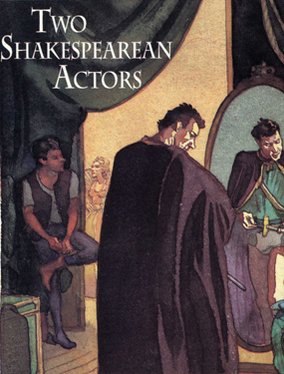
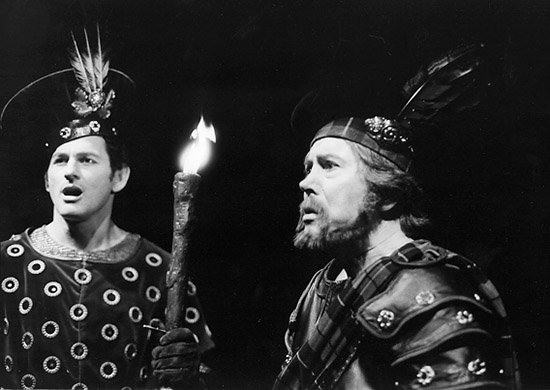
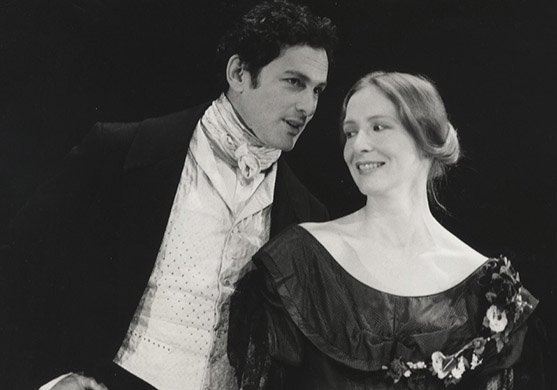
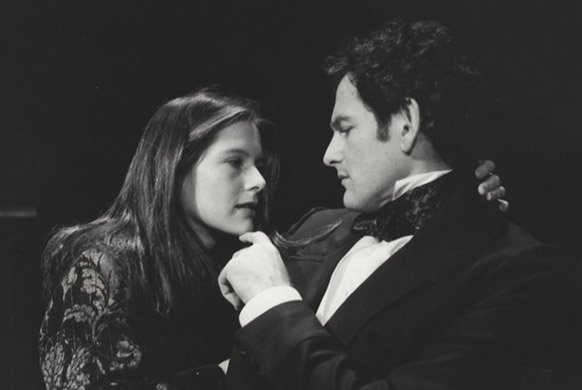
According to theatrical lore, tragedy often strikes productions of Shakespeare's Macbeth. That's why superstitious theater people refuse even to mention the title and refer to it instead as "the Scottish Play." In Lincoln Center Theater's production of Richard Nelson's TWO SHAKESPEAREAN ACTORS, tragedy once again surrounds a production of the Scottish Play. But Nelson's dazzling new play is also an often-humorous account of life in the theater, inspired by a remarkable true story from New York's past. The year is 1849. Two arch rivals—the English star William Macready and the American matinee idol Edwin Forrest—tempt fate when both perform the Scottish Play on the same night in neighboring downtown theaters. Their feud helps incite the already-inflamed rage of anti-British theatergoers, who riot right outside Macready's theater. Thirty-four people die in the fray. It may be hard to imagine that such a play could cause such mayhem, but keep in mind that 19th-century audiences were just as passionate about their Shakespeare as some of today's fans are at sporting events and rock concerts. And while Americans now have a love of things British (deftly demonstrated in Nelson's last play, Some Americans Abroad), this was not the case in 1849, when bad feelings lingered between the United States and its former colonial master.
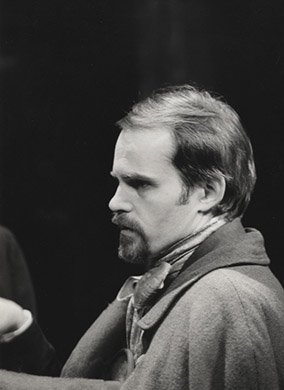
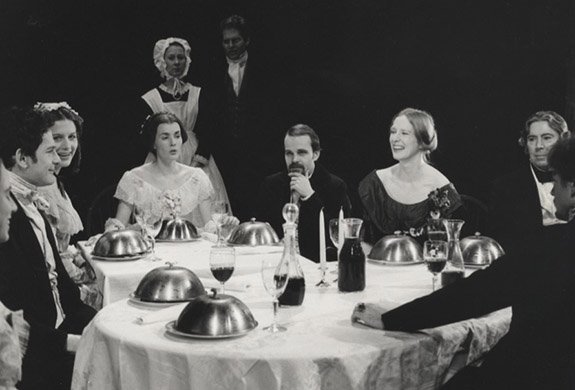
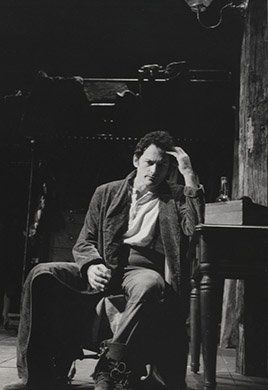
December 17, 1991 - February 9, 1992
